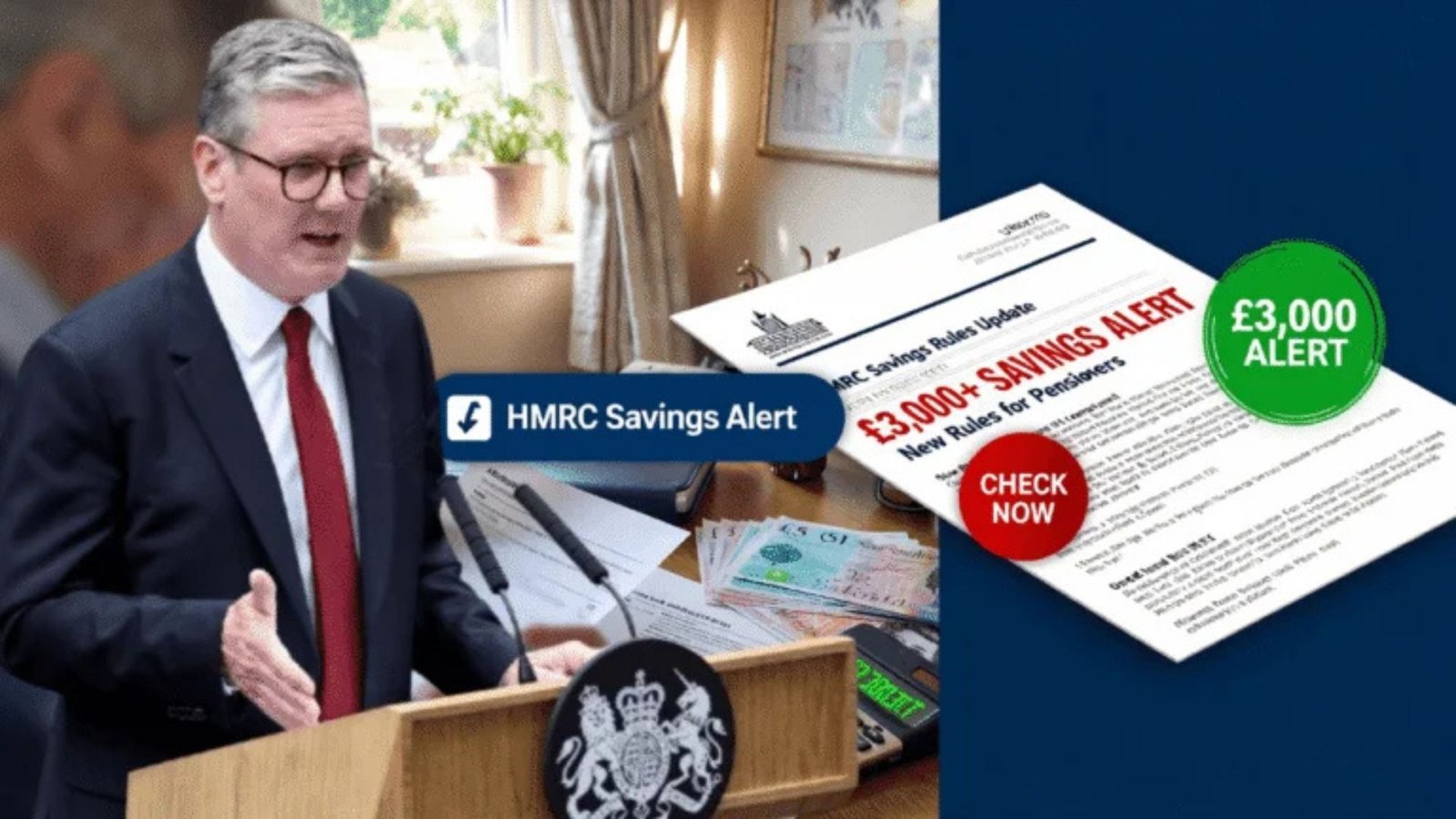
The sensational headline “HMRC Confirms New Rules for Pensioners With £3,000+ Savings – Check Now” has appeared in various online videos, articles, and social media posts. It often suggests a major crackdown or new penalties for UK pensioners (retired people) who have more than £3,000 in savings. However, after checking reliable sources like official GOV.UK pages, BBC reports, and recent financial news, there is no new HMRC rule directly targeting or penalizing pensioners simply for having £3,000 or more in savings.
This type of headline is commonly used in clickbait content (designed to attract attention quickly) or YouTube videos to create worry. In reality, UK savings rules for pensioners focus on tax on interest earned from savings, not the savings amount itself. Having savings over £3,000 does not trigger automatic HMRC action, raids, or deductions just because of the balance.

In this article, we explain the current (as of 2026) UK tax rules for pensioners’ savings in simple, easy-to-understand language. We cover how interest from savings is taxed, key allowances that help avoid or reduce tax, who might pay more tax now, and practical tips. This helps pensioners check their situation and plan better.
Why the £3,000 Figure Appears in Headlines
Many misleading stories link £3,000 to savings because:
- Some older rules or benefits (like means-tested ones) use low thresholds.
- Certain crypto or trading profit alerts from HMRC mention £3,000 gains.
- In reality, for regular bank or building society savings interest, the key numbers are different: £1,000 or £500 tax-free interest allowance, depending on your total income.
No official HMRC announcement in 2025 or 2026 creates a new “£3,000 savings rule” for pensioners. Claims about HMRC “raiding” accounts or forcing repayments tied purely to £3,000+ balances are not supported by government sources.
How Savings Interest Is Taxed in the UK

In the UK, you do not pay tax on the savings amount you have in the bank. Tax only applies to the interest (extra money) your savings earn each year.
HMRC gets information automatically from banks and building societies about interest paid. If tax is due, they often adjust your tax code (if you get a pension or wages) so tax is collected without extra work.
Key points in simple words:
- Personal Allowance: Everyone gets £12,570 of total income tax-free (frozen until at least 2031). This includes state pension, private pensions, wages, and savings interest.
- If your total income is below £12,570, you pay no income tax at all.
- Many pensioners now pay tax because the state pension has risen while the allowance stays the same (this is called “fiscal drag”).
Personal Savings Allowance – Your Tax-Free Interest Amount

This is the most important rule for pensioners with savings.
- Basic rate taxpayers (most pensioners whose total income is £12,571 to £50,270): You can earn up to £1,000 in savings interest tax-free each tax year.
- Higher rate taxpayers (income £50,271 to £125,140): Up to £500 tax-free interest.
- Additional rate (over £125,140): £0 tax-free interest.
If your interest exceeds your allowance, you pay tax on the extra amount at your normal income tax rate (20% basic, 40% higher, etc.).
How Much Interest Is Tax-Free?
| Your Total Income Level (including state pension) | Tax Band | Tax-Free Savings Interest Allowance | Tax Rate on Excess Interest |
|---|---|---|---|
| Up to £12,570 | None (Personal Allowance covers all) | All interest tax-free (effectively unlimited if under total allowance) | 0% |
| £12,571 – £50,270 | Basic rate | £1,000 | 20% |
| £50,271 – £125,140 | Higher rate | £500 | 40% |
| Over £125,140 | Additional rate | £0 | 45% |
Note: From April 2027, savings interest tax rates will rise by 2% (e.g., basic rate becomes 22%), but allowances stay the same for now.
Starting Rate for Savings – Extra Help for Lower Incomes
If your total non-savings income (like state pension or wages) is below £17,570, you get an extra starting rate for savings of up to £5,000 tax-free interest.
- This means some pensioners with low other income can earn up to £6,000+ in interest completely tax-free (£1,000 PSA + £5,000 starting rate).
- If non-savings income is between £12,570 and £17,570, the £5,000 band reduces gradually.
This band helps many basic-rate pensioners avoid tax on modest savings interest.
Who Might Pay More Tax on Savings Interest in 2026?
More pensioners are paying tax on savings because:
- State Pension increases (e.g., full new state pension around £11,973+ per year in recent years).
- Frozen personal allowance (£12,570) means more people cross into taxable income.
- Higher interest rates on savings accounts make interest amounts larger.
Forecasts show over-65s paying about 21.5% more tax on savings interest in recent periods due to these factors.
If your state pension alone is close to or over £12,570, even small interest (e.g., from £20,000–£50,000 savings at 4–5% interest) could push you over allowances.
Simple Calculation Example
Suppose a pensioner has:
- Full state pension: £12,000/year
- Savings: £50,000 at 4% interest = £2,000 interest
Total income: £14,000
- Personal Allowance covers £12,570 → £1,430 taxable at 20% (£286 tax).
- But £1,000 PSA covers most interest → likely little or no extra tax on interest.
If savings are higher or interest rates rise, tax increases.
ISAs – The Best Way to Avoid Tax on Savings Interest
Individual Savings Accounts (ISAs) let you earn interest completely tax-free, with no limit on how much interest.
- Cash ISA: Like a normal savings account, but tax-free.
- Annual ISA allowance: £20,000 per tax year (2025/26 and 2026/27).
- You can move old savings into an ISA without tax penalties.
Many pensioners use Cash ISAs for emergency funds or larger savings to protect interest from tax.
Other Important Rules for Pensioners
- Pension Withdrawals: Taxed as income. Unexpected tax on lump sums sometimes leads to overpayments, which HMRC refunds.
- Winter Fuel Payment / Benefits Changes: Some 2025/26 changes affected eligibility (e.g., income caps), but not directly tied to £3,000 savings.
- Pension Tax Relief: Contributions get tax relief; rules updated in 2025 for evidence requirements.
- Self-Assessment: If you have untaxed income over £2,500 (e.g., high savings interest), you may need to file a tax return.
Practical Steps for Pensioners to Check and Save Tax
- Check your tax code: Use HMRC’s online tool or your payslip/pension statement.
- Estimate your interest: Ask your bank for a yearly interest summary.
- Use HMRC calculators: GOV.UK has tools for savings tax and personal allowances.
- Move to ISAs: Transfer savings to tax-free accounts before interest builds.
- Seek free advice: Contact Pension Wise (free for over-50s) or Citizens Advice.
- File if needed: If HMRC sends a letter about underpaid tax, respond quickly.
Conclusion
There are no brand-new HMRC rules in 2026 that specifically target pensioners with £3,000+ in savings for penalties or crackdowns. The real focus remains on taxing interest earned above your Personal Savings Allowance (£1,000 or £500), combined with frozen tax thresholds pushing more retirees into paying income tax.
By understanding these rules, using ISAs, and checking your situation regularly, pensioners can minimize tax legally and protect their hard-earned money. Always rely on official GOV.UK sources or trusted advisors rather than alarming headlines. If your savings interest is pushing you close to tax limits, acting early (like opening an ISA) can save hundreds of pounds each year.