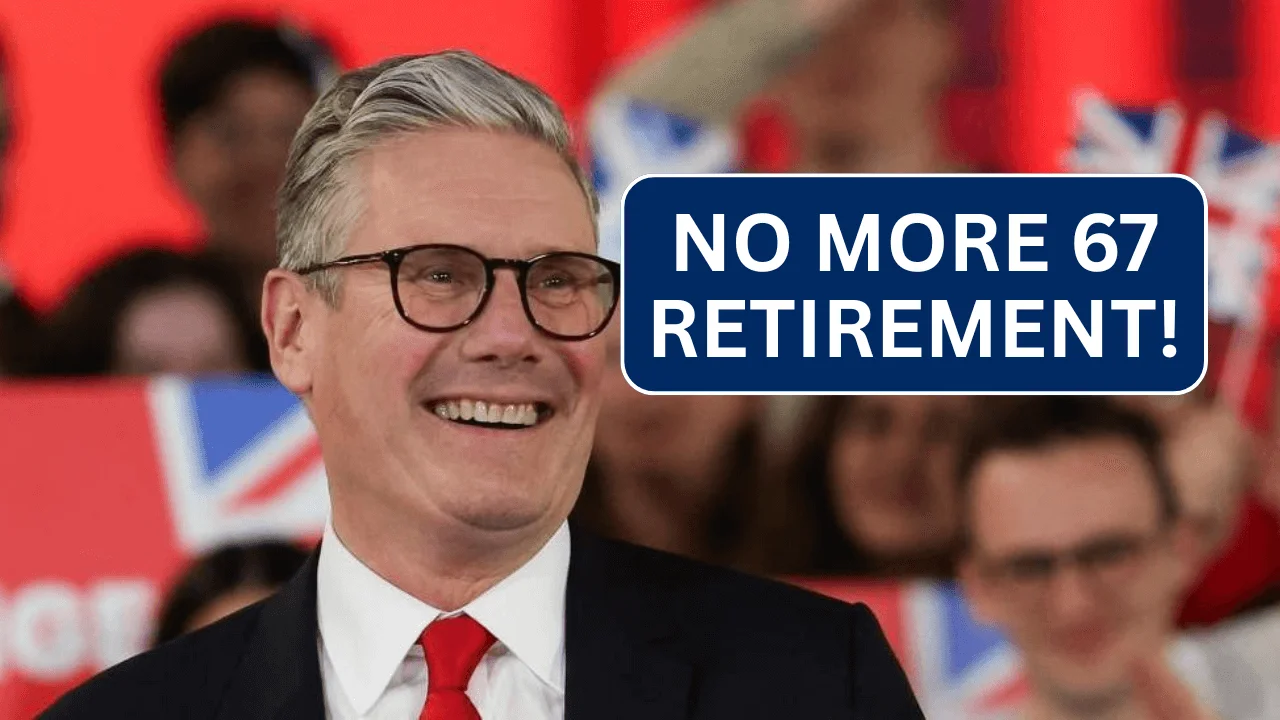
The UK government has long planned changes to when people can start receiving their State Pension (the regular payment from the government when you reach a certain age in retirement). Recent updates and ongoing reviews show that retiring at age 67 is becoming less common for many, with the official age moving higher. This means millions of workers will need to work longer before claiming their full State Pension.
In simple terms, the State Pension age (also called pensionable age) is rising step by step. It is currently 66 for most people, but it starts increasing to 67 from April 2026. A further rise to 68 is already in law for later years, though it could change after reviews. These shifts help keep the pension system fair and affordable as people live longer and more claim benefits.

This article explains everything in easy words: why the changes happen, who they affect, timelines, how much pension you might get, and tips to prepare. Let’s break it down.
What Is the State Pension Age?
The State Pension age is the youngest age at which you can claim the government’s State Pension. Before this age, you usually cannot get it (though you can delay claiming later for extra money).
- It used to be 65 for men and 60 for women.
- Now, it is the same for everyone (equalised).
- The current age is 66 for most born before certain dates.
- It is rising because people live longer, healthier lives. This means the government pays pensions for more years, so the age increases to balance costs.
The government reviews this every few years under laws like the Pensions Act 2014. Reviews look at life expectancy, health, work patterns, and money sustainability.
Why Is the UK Raising the State Pension Age?

Life expectancy in the UK has gone up a lot over decades. People born today may live into their 80s or 90s on average. If the pension age stayed low, the system could become too expensive.
Key reasons for the rise:
- More older people claiming pension for longer.
- Fewer young workers paying taxes and National Insurance to support them.
- Need for a fair system where each generation spends similar time working vs. retired.
- Governments want the pension to stay strong for the future.
The changes are not sudden. They give years of notice (usually at least 10 years) so people can plan.
Current State Pension Age: Still 66 for Many

Right now (in 2026), the State Pension age is 66 for people born on or before 5 April 1960 (with some small adjustments).
If you were born:
- Before 6 April 1960 → You reached 66 already or soon.
- Between 6 April 1960 and 5 March 1961 → Your age rises gradually from 66 plus extra months.
This equalisation and rise to 66 happened years ago (completed around 2020).
The Big Shift: State Pension Age Rising to 67 (Starting 2026)
The UK government has confirmed the increase from 66 to 67 will happen as planned. It begins in April 2026 and finishes by April 2028.
Who it affects:
- People born on or after 6 March 1961 → They reach State Pension age at 67.
- Born 6 April 1960 to 5 March 1961 → They get it between 66 years + 1 month and 66 years + 11 months, depending on exact birth date.
By 2028, everyone born after early 1961 will need to wait until 67.
This is not a new announcement — it comes from laws passed in 2014 — but the government keeps reminding people as the date nears. Many news stories call it “goodbye to retiring at 67” because for younger groups, even 67 may not be the end.
Future Plans: Will It Rise to 68 and Beyond?
Yes, the law already says the age will go to 68 between 2044 and 2046. This would affect people born from around April 1977 onwards.
Under current rules:
- Born 6 April 1977 to 5 April 1978 → Gradual rise to 68 over months in 2044-2046.
- Born on or after 6 April 1978 → Age 68 exactly.
But this could change. The government does regular reviews:
- The second review (2023) kept the 67 rise but delayed decisions on speeding up 68.
- The third review started in 2025, looking at latest life expectancy data. It might suggest faster or slower changes.
Some experts say further rises (to 69 or 70) could happen one day if life expectancy keeps growing. The government promises at least 10 years’ notice before big changes.
How the Changes Affect Different Age Groups
Here is a simple table showing approximate State Pension ages based on birth year (using current laws):
| Birth Year Range | State Pension Age | When You Can Claim (Approximate) |
|---|---|---|
| Before 6 April 1960 | 66 | Already reached or soon |
| 6 April 1960 – 5 March 1961 | 66 + extra months | Between May 2026 and March 2028 |
| 6 March 1961 – 5 April 1977 | 67 | From your 67th birthday |
| 6 April 1977 – 5 April 1978 | Gradual to 68 | Between 2044 and 2046 |
| On or after 6 April 1978 | 68 | From your 68th birthday |
Note: These are based on official timetables. Always check the government’s tool for your exact date.
What About the Amount of State Pension?
The age change does not directly cut how much you get — but you wait longer to start.
The New State Pension (for most people who reach age after April 2016):
- Full rate is around £230-£241 per week (it rises each year).
- It goes up every April by the highest of: wages growth, prices (inflation), or 2.5% — this is called the triple lock.
Older Basic State Pension is lower but also rises.
You need about 35 years of National Insurance contributions for the full amount. Fewer years mean less.
You can delay claiming after your age to get extra (about 1% more for every 9 weeks delayed).
Who Might Feel the Impact Most?
- People in their 50s and 60s now (born 1960s) — facing the jump to 67 soon.
- Younger workers (born 1970s+) — possible wait until 68 or more.
- Those in hard physical jobs — may find working longer tough.
- Lower-income groups — more reliant on State Pension.
On the positive side, longer working can mean more savings, bigger private pensions, and better health from staying active.
How to Prepare for a Higher Pension Age
- Check your exact age — Use the free government calculator on gov.uk/state-pension-age.
- Get your State Pension forecast — On gov.uk/check-state-pension to see how much you’ll get and years needed.
- Build extra savings — Workplace pension, personal pension, or ISA for income before State Pension.
- Stay healthy — Exercise and good habits help you work longer if needed.
- Plan your finances — Think about part-time work, downsizing home, or other income.
- Follow updates — Watch for review results (next big one after 2025 review).
Conclusion: Planning Ahead in a Changing Retirement World
The UK government’s changes mean saying goodbye to the idea of retiring at 67 for many people. The rise to 67 starts in 2026, and 68 is already planned for later (with possible adjustments). These steps make sure the State Pension stays sustainable as we live longer.
While it can feel disappointing to work extra years, it also reflects better health and longer lives. By checking your personal details now, saving more, and planning wisely, you can make the most of retirement whenever it comes.
Stay informed via official sites like gov.uk, and consider talking to a financial advisor. The key is preparation — the sooner you start, the better your future looks.