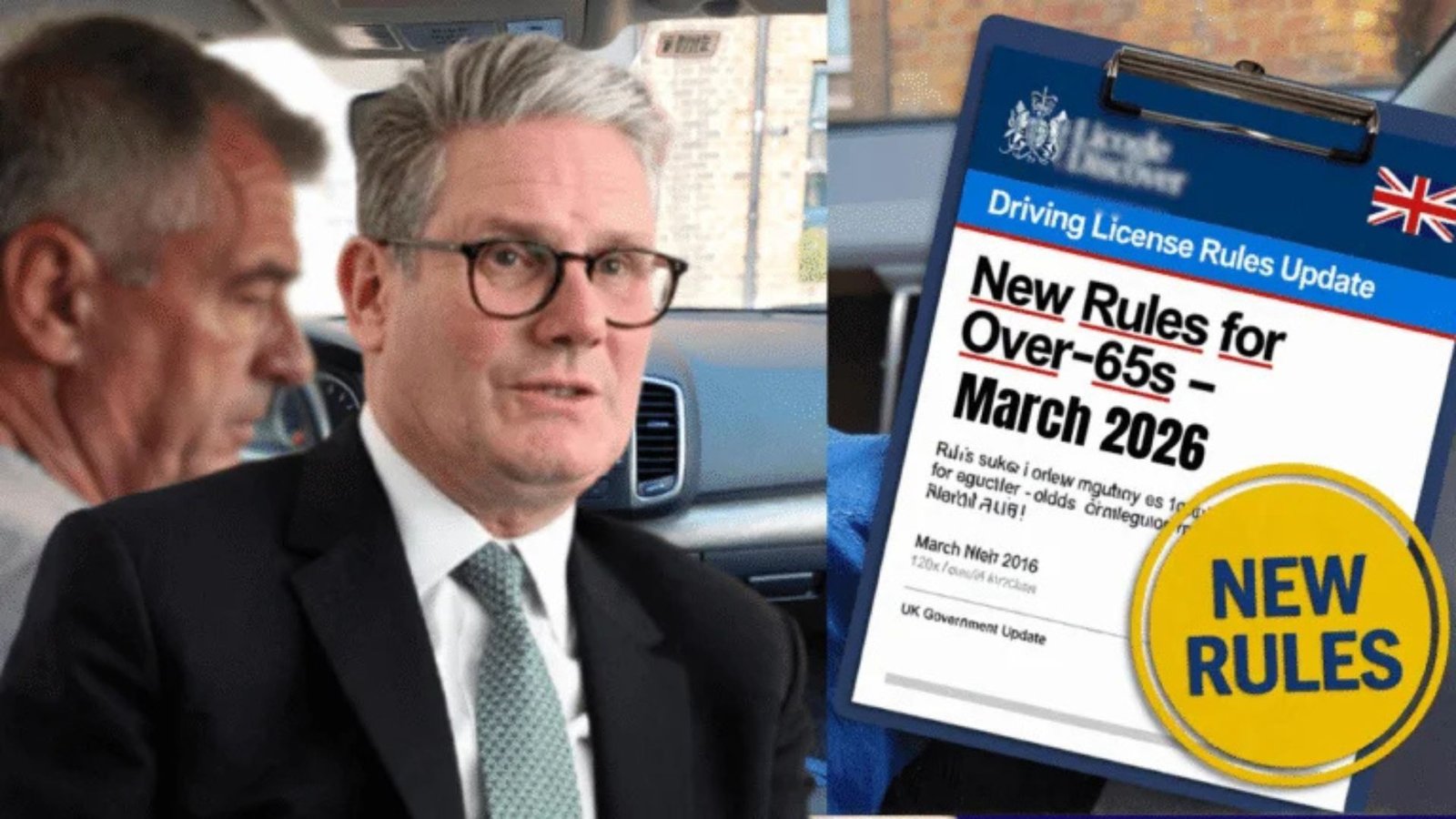
The UK government, through the DVLA (Driver and Vehicle Licensing Agency), has introduced updates to driving licence rules. These changes focus mainly on older drivers to improve road safety. Many headlines mention new rules starting in March 2026 for people over 65, but most updates target drivers aged 70 and above. There is no automatic ban on driving at any age. Instead, the focus is on better health checks, especially for eyesight and medical fitness.
This article explains everything in simple English. It covers the current rules, what is changing in 2026, who it affects, how to renew your licence, and tips for safe driving as you get older. The goal is to help drivers stay safe and legal on UK roads.
What Are the Basic UK Driving Licence Rules for Older Drivers?

In the UK, there is no upper age limit for holding a driving licence. You can drive at any age if you are fit and safe to do so. However, rules become stricter as you get older.
- For most adults (under 70): Your photocard driving licence lasts 10 years. You renew it every 10 years to update your photo and details. This renewal is free and usually done online or by post.
- When you turn 70: Your licence no longer lasts 10 years. You must renew it every 3 years. This has been the rule for many years under the Road Traffic Act.
- Everyone must tell the DVLA about any health problem or disability that could affect driving. This includes poor eyesight, heart issues, diabetes (if on insulin), epilepsy, or fainting spells.
The law says you must be able to read a number plate from 20 metres away (with glasses or contact lenses if needed). If you cannot, you break the law.
These rules help keep roads safe for everyone, including older drivers, their passengers, and other road users.
What New Changes Are Starting in March 2026?

From March 2026, the UK government is making some updates to the renewal process for drivers aged 70 and over. These changes build on existing rules rather than create entirely new ones. The main aim is better checks for health and vision.
Key updates include:
- Stronger checks on eyesight during renewal.
- More detailed health declarations.
- Possible moves away from just self-declaring fitness (where you simply say you are okay) to providing proof.
Some sources mention that drivers renewing at 70+ may need to confirm a recent eye test (within the last 2 years). This could mean showing proof from an optician. Over-60s in the UK already get free NHS eye tests, so this should not cost extra money.

There are also talks about digital renewals becoming easier, with online forms asking more questions about health. If a condition is reported, the DVLA may ask for a doctor’s report or more information before approving the renewal.
Important note: These changes apply mainly from age 70, not 65. Headlines sometimes say “over-65s” to catch attention, but official rules start stricter checks at 70. Drivers aged 65-69 follow the standard 10-year renewal unless they have a medical condition.
No new mandatory driving re-test (like the original practical test) is being introduced for older drivers in 2026. The focus is on health and vision, not re-learning to drive.
Why Are These Changes Happening?
As people live longer, more drivers are over 70. The government wants to balance freedom to drive with road safety. Older drivers can have slower reactions or health issues that affect driving, but many are very safe and experienced.
The changes come after consultations and reviews. The Department for Transport looked at ways to update the self-declaration system. The goal is to catch problems early without banning fit drivers.
These updates help reduce accidents caused by medical issues. They also give peace of mind to families and other road users.
Who Do the New Rules Affect?
- Drivers aged 70 and over: Must renew every 3 years with updated checks.
- Drivers approaching 70: Will see the new process when their renewal form arrives (usually sent 90 days before expiry).
- Drivers aged 65-69: Not directly affected by the 3-year rule or extra checks yet, but encouraged to have regular eye tests and report health changes.
- All drivers: Must always follow eyesight rules and report conditions.
If you have a medical condition at any age, you may need to renew more often or provide extra proof.
How to Renew Your Driving Licence After Age 70
Renewing is free and simple. The DVLA sends a reminder form about 90 days before your licence expires.
Steps:
- Fill in the form (D46P or online version).
- Answer health questions honestly.
- Under new 2026 rules, you may need to confirm a recent eye test or provide more details.
- Send it back by post or renew online at gov.uk.
- Get a new photocard in the post.
If the DVLA needs more info (like a doctor’s note), they will contact you. Always respond quickly to avoid delays or licence issues.
Common Health Conditions That Affect Driving
Here is a simple table of conditions the DVLA watches closely. If you have any, tell them right away.
| Condition | What It Means (Simple Words) | What You Must Do | Possible Outcome |
|---|---|---|---|
| Poor Eyesight | Cannot read number plate from 20 metres | Get eye test; wear glasses if needed | May lose licence if not fixed |
| Diabetes (on insulin) | Blood sugar issues needing injections | Renew every 3 years; doctor check | Licence granted if controlled |
| Heart Problems | Issues like irregular heartbeat or pacemaker | Report to DVLA; may need doctor report | Licence possible with checks |
| Epilepsy or Fits | Seizures or blackouts | Stop driving; inform DVLA | Licence suspended until safe |
| Stroke or Mini-Stroke | Brain blood flow problem | Report; wait and get doctor okay | Licence after recovery and checks |
| Dementia or Memory Loss | Trouble remembering or judging | Report; DVLA assesses fitness | May need assessment or lose licence |
Always check the official GOV.UK website for the full list. Do not guess – report conditions to stay legal.
Tips for Safe Driving as You Get Older
Getting older does not mean you must stop driving. Many people drive safely into their 80s and 90s. Here are easy tips:
- Have an eye test every year (free for over-60s in the UK).
- Check your medications – some cause drowsiness.
- Drive in daylight and avoid busy times if possible.
- Take breaks on long trips.
- Consider a refresher lesson with an instructor (not mandatory, but helpful).
- Stay active to keep good reaction times.
- Listen to family or friends if they notice changes.
If driving feels hard, think about alternatives like public transport, taxis, or community services.
Conclusion
The new driving licence rules starting in March 2026 are about making roads safer for everyone, especially by improving health and eyesight checks for drivers aged 70 and over. There is no age ban, and fit older drivers can continue driving with these updates. The changes move from simple self-declaration to more proof of fitness, but the process stays free and straightforward.
If you are over 65, start preparing now: book a free eye test, know your health conditions, and renew on time. Check the official GOV.UK site or contact the DVLA for your personal situation. Safe driving depends on being honest about your abilities and staying up to date with rules.
By following these guidelines, older drivers can enjoy independence while keeping themselves and others safe on UK roads. If you have questions, visit gov.uk/renew-driving-licence-at-70 or call the DVLA helpline.